Tropical Aquaculture

Wishlist Share

About Course

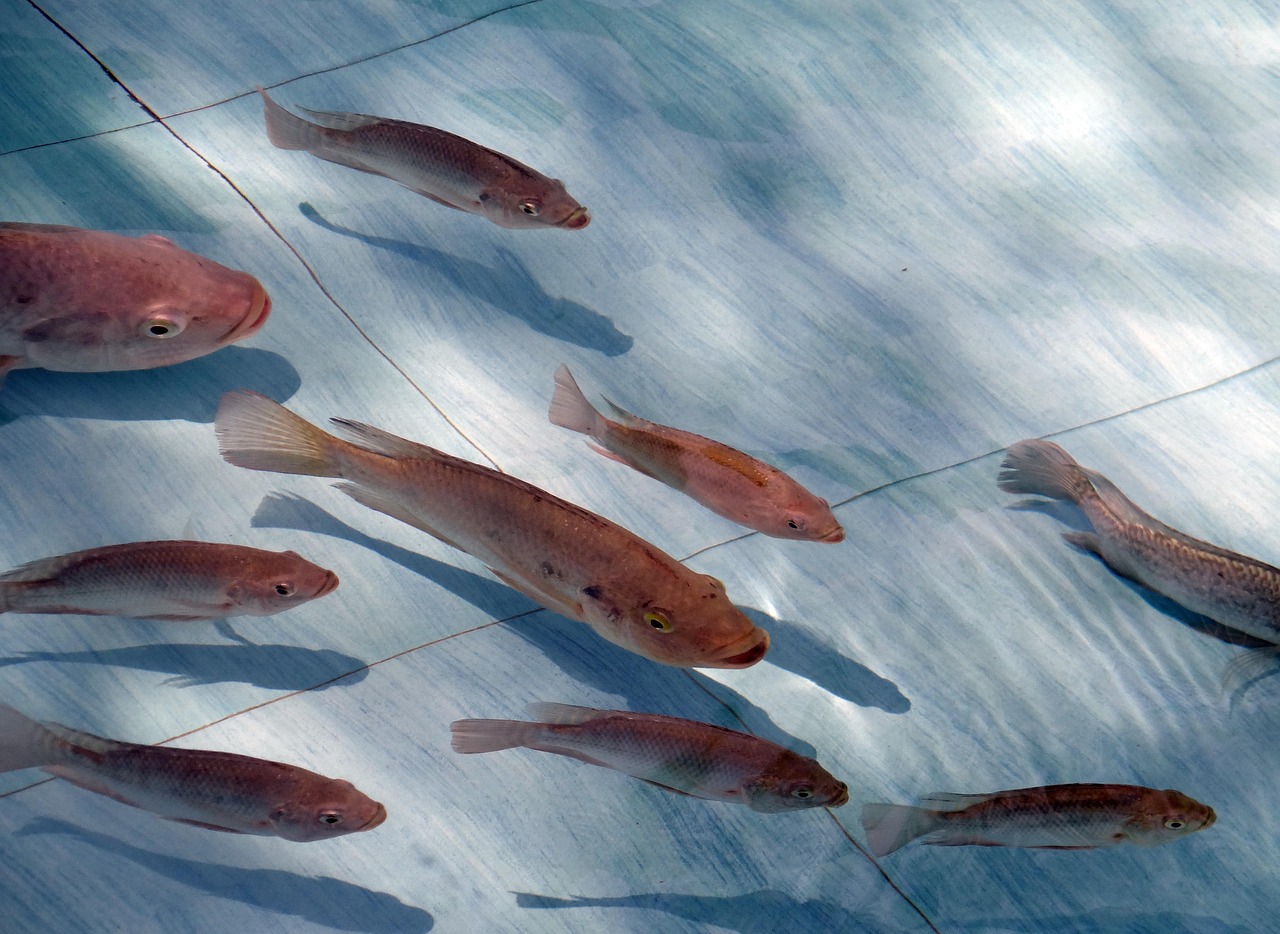
This engaging introductory course introduces high school students to the fascinating world of tropical aquaculture — the farming of aquatic organisms in warm climates. Through interactive lessons, students will explore the science, species, systems, and sustainability practices behind aquaculture in tropical regions. The course highlights key species such as tilapia, shrimp, milkfish, and seaweed, and emphasizes the importance of aquaculture in food security, environmental conservation, and career opportunities.
Students will gain foundational knowledge in biology, environmental science, and agricultural technology, preparing them for further studies or careers in marine science and sustainable food production.

What Will You Learn?

  • Understand what tropical aquaculture is and why it matters
  • Identify key aquaculture species such as tilapia, shrimp, sea cucumber, and seaweed
  • Explore different aquaculture systems used in tropical regions
  • Recognize the environmental and economic benefits of aquaculture
  • Discuss challenges facing tropical aquaculture and possible solutions
  • Discover career paths in aquaculture and marine science
  • Reflect on how aquaculture can support food security in your community

Course Content

Introduction to Tropical Aquaculture
Students are introduced to tropical aquaculture through a short, animated video. The lesson covers what aquaculture is, why it matters, how it works, and which species are commonly farmed in tropical regions. It also touches on challenges like pollution and climate change, and how innovation is helping to solve them. The lesson ends by encouraging students to consider aquaculture as a future career path.

  • Dive into Tropical Aquaculture

Student Ratings & Reviews

No Review Yet
No Review Yet
Shopping Cart