
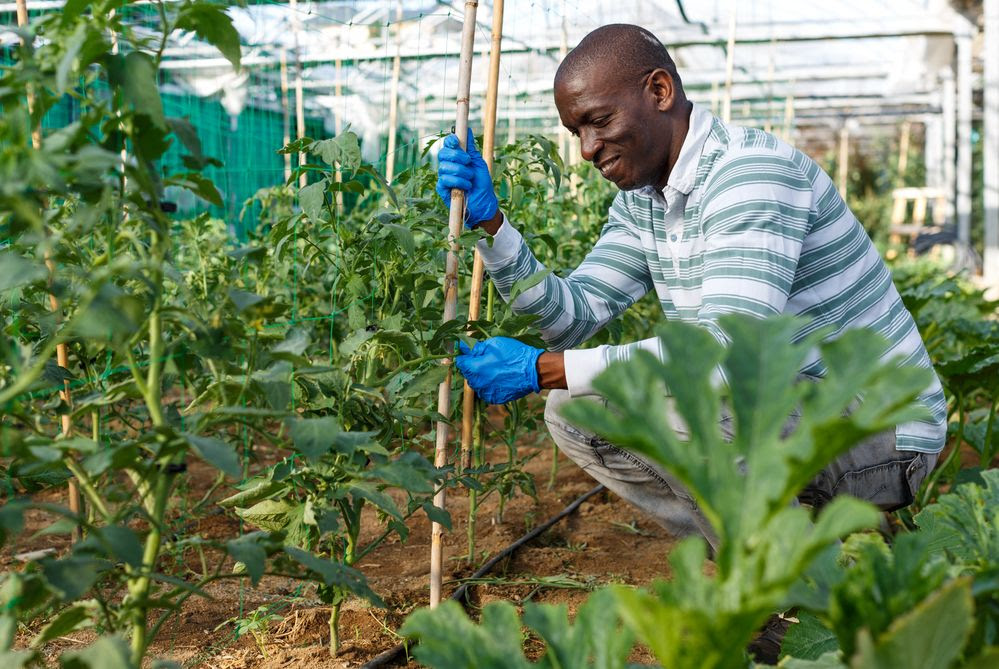
Climate change is reshaping how we grow food in the Caribbean. Rising temperatures, stronger hurricanes, and unpredictable rainfall mean that farmers must adapt quickly. Climate-smart agriculture (CSA) offers solutions that not only protect the environment but also improve farm profitability.
Here are ten climate-smart techniques Caribbean farmers can adopt in 2025.
1. Crop Diversification
Planting multiple crops reduces risks from pests, diseases, and extreme weather. For instance, mixing cassava, corn, and legumes like pigeon peas ensures food security even if one crop fails.
2. Drought-Resistant Varieties
Research institutions across the Caribbean are developing cassava, rice, and corn varieties that thrive in dry conditions. Farmers should prioritize these to safeguard yields.
3. Agroforestry Systems
Integrating trees with crops or livestock improves soil fertility, reduces erosion, and provides shade for animals. Cocoa intercropped with plantain is a classic Caribbean example.
4. Rainwater Harvesting
Installing gutter systems and tanks allows farms to capture and store water for dry months. Simple DIY systems can be set up with barrels and PVC piping.
5. Drip Irrigation
Instead of flooding fields, drip irrigation conserves water while delivering nutrients directly to plant roots. Small farmers can now access affordable drip kits.
6. Mulching
Covering soil with organic material (like coconut husks, banana leaves, or grass clippings) keeps soil moist, reduces weeds, and adds nutrients as it decomposes.
7. Integrated Pest Management (IPM)
IPM combines natural predators, crop rotation, and limited pesticide use. This reduces costs and protects biodiversity.
8. Renewable Energy on Farms
Solar-powered irrigation pumps and wind-powered grain mills lower energy costs and carbon emissions. In Trinidad and Jamaica, some farms are already experimenting with solar dryers for produce.
9. Digital Weather Apps
Mobile tools now provide real-time forecasts, helping farmers plan planting, harvesting, and irrigation schedules.
10. Climate-Smart Livestock Practices
Shifting to heat-tolerant breeds, better housing, and rotational grazing keeps animals healthy and reduces land degradation.
Conclusion
Adopting these climate-smart techniques is no longer optional — it’s essential for Caribbean food security. With small steps, every farmer can contribute to building resilience against climate change.
Want to learn more? Explore our FarmSkillz Sustainable Farming Courses.